
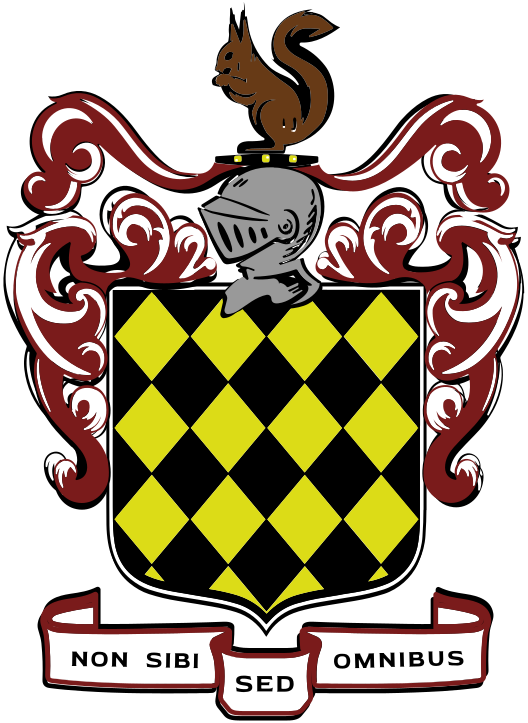
The Blue Coat School Liverpool
Not for oneself, but for all.Rooted in traditions. inspiring the future.

"Rooted in Liverpool for 300 years, The Blue Coat School blends tradition, academic excellence, and community spirit."
For over 300 years we have played a vital role in shaping the lives of Liverpool boys and girls - helping them to realise their academic potential and providing them with the skills and values they need for life’s journey. We believe in the power and value of education to change lives and change the world.

79.4%
Our 2025 Attainment 8 score at GCSE79%
of our students awarded 9-7 in English and Maths8
The average GCSE grade achieved in 202564.5%
of all A-level grades were A* - A84.2%
of all A-level grades were A*- BAAB
The average set of A-levels achieved in 2025Next Up...
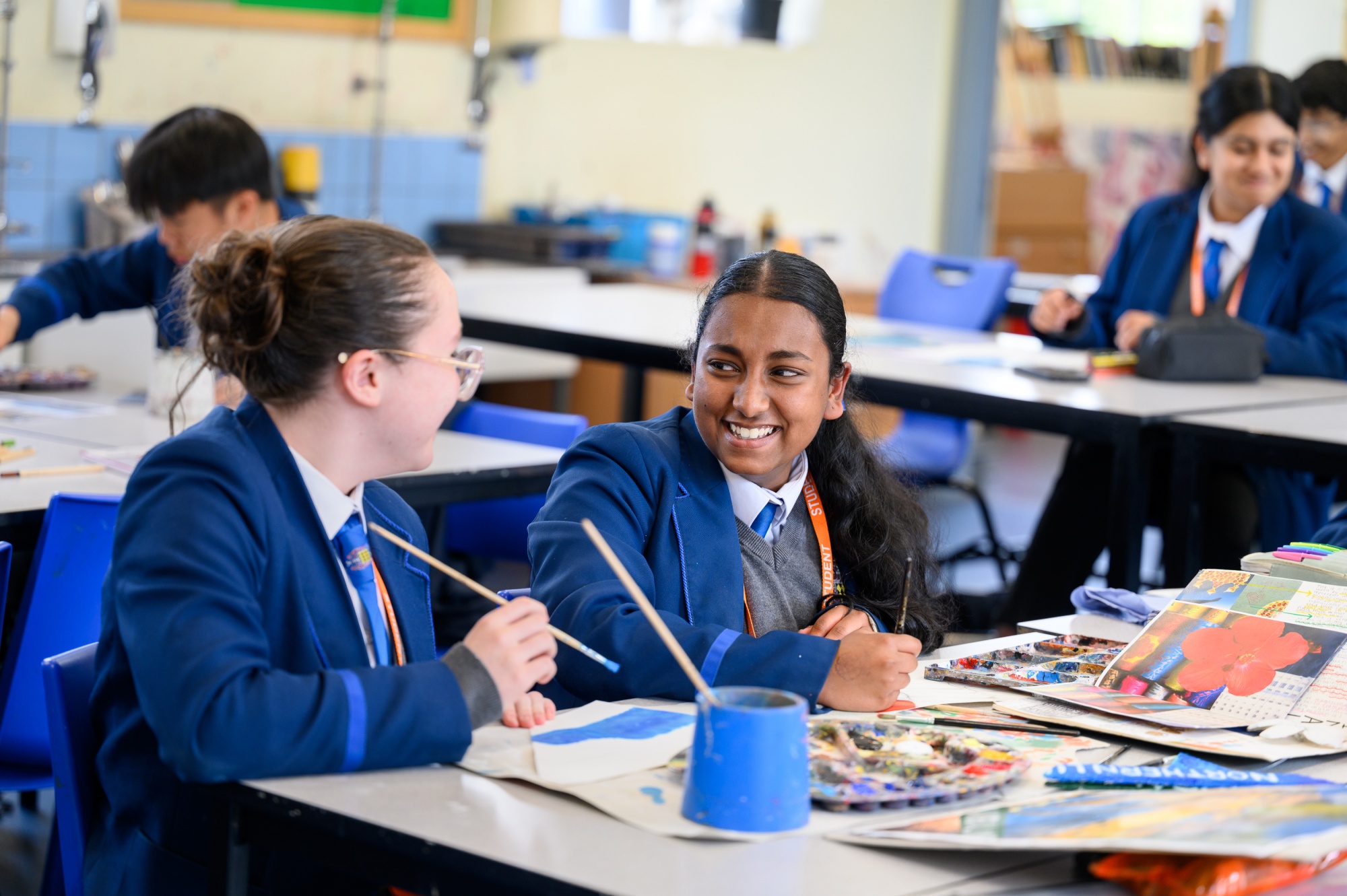
Curriculum
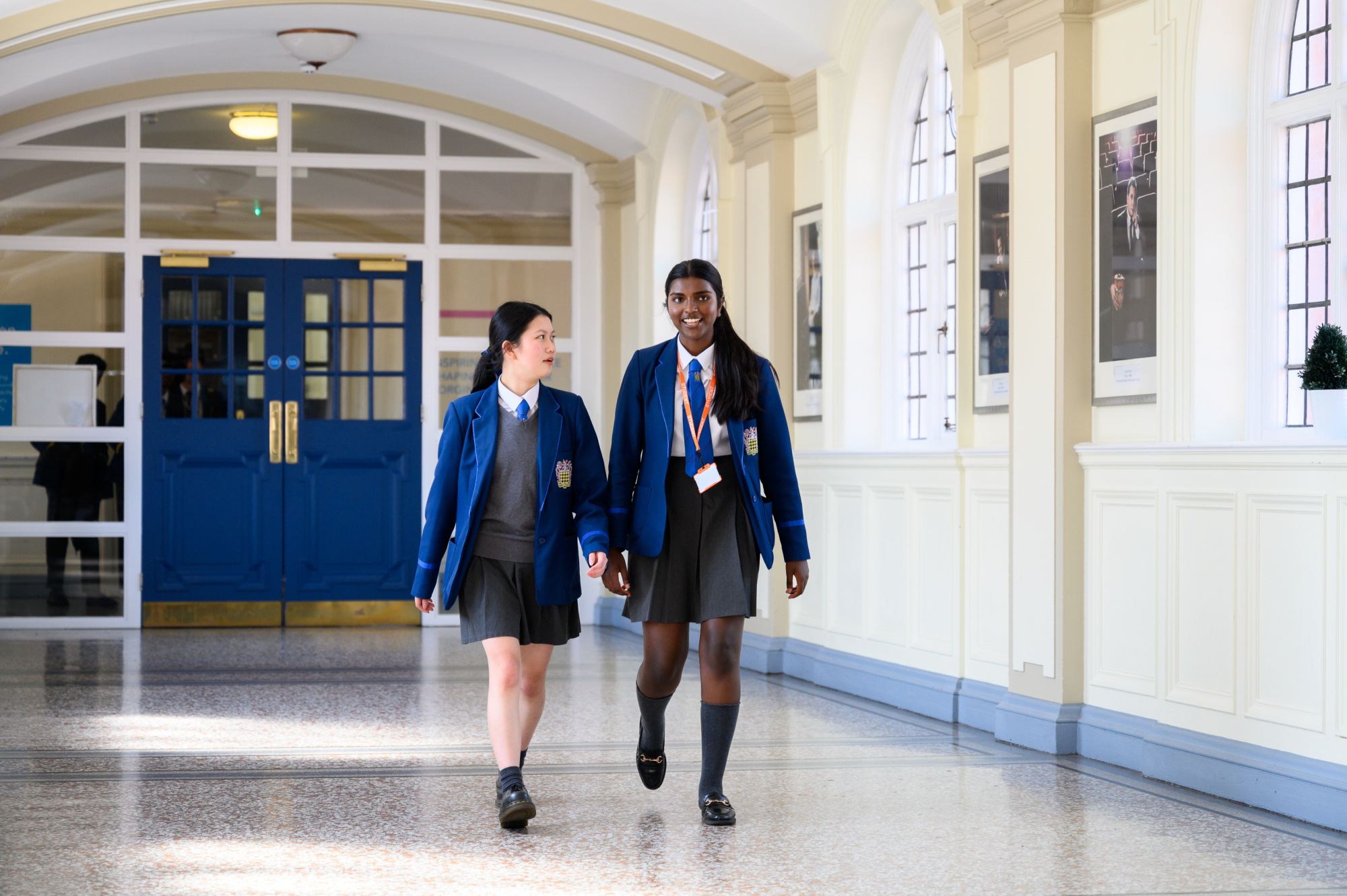
Admissions
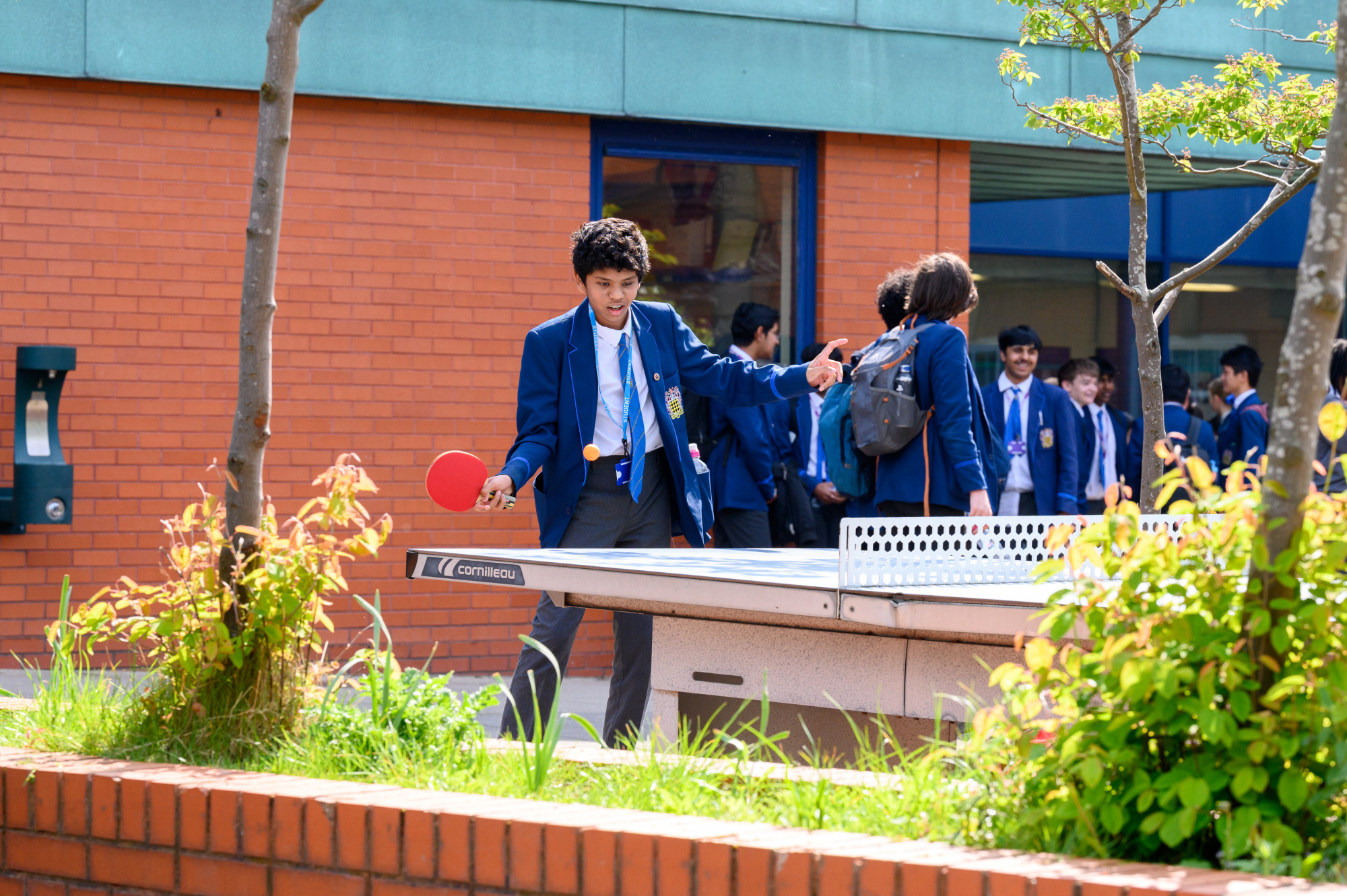
Pastoral
About Us
A commitment to excellence shaped by tradition and ambition.
Award-Winning Excellence
At The Blue Coat School Liverpool, every student belongs, is valued, and is empowered to thrive. Guided by Non Sibi Sed Omnibus — not for oneself but for all — we honour our story with honesty while forging a modern, inclusive future.
We celebrate individuality and champion diversity, inspiring students to flourish in their own way with confidence, curiosity, resilience, and kindness.
Our vision is to ignite ambition and nurture integrity and compassion, preparing young people to shape a fairer, brighter world — in Liverpool and beyond.
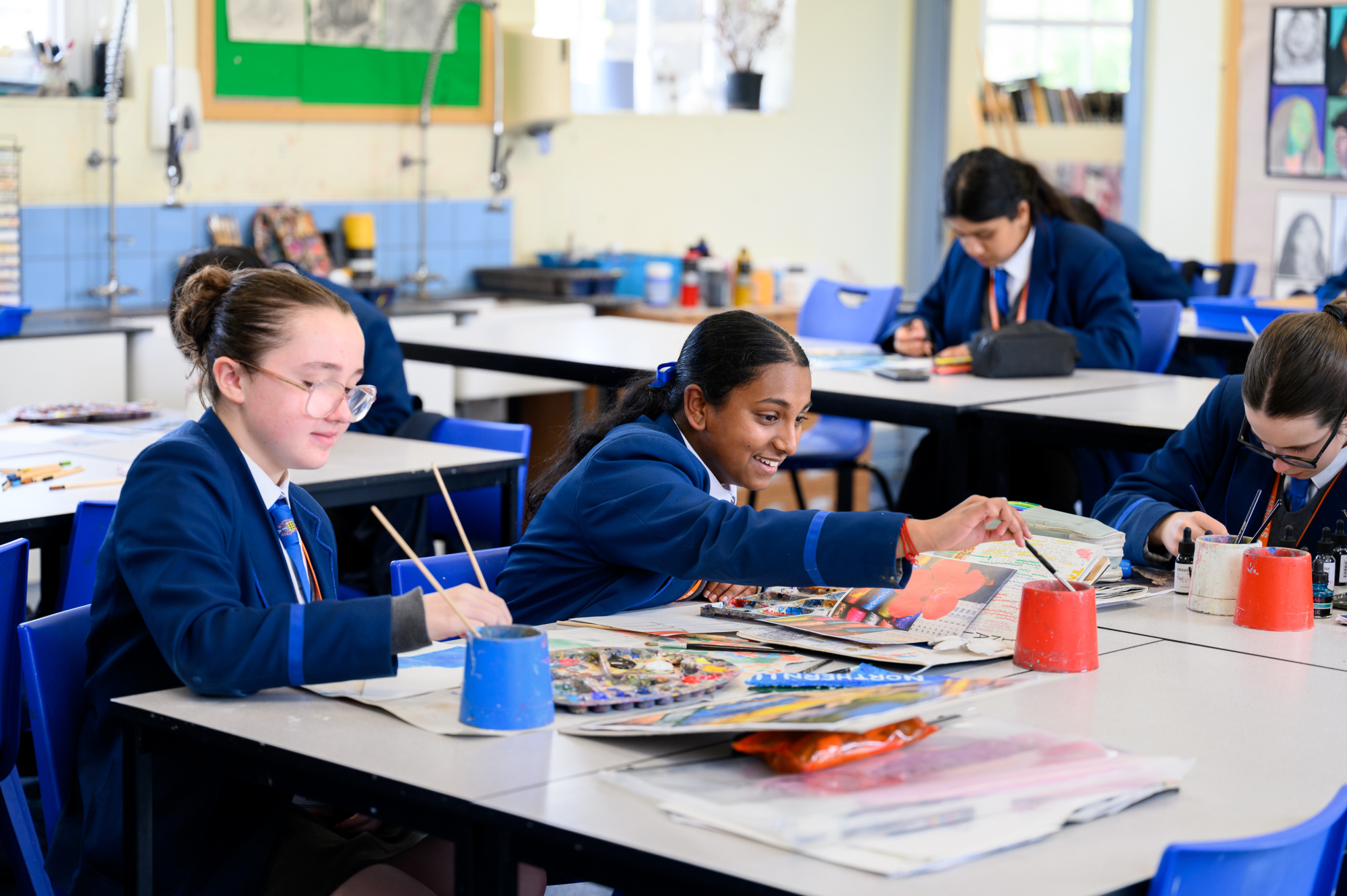
Understanding Others
We enable students to gain deep knowledge and understanding of diverse range of cultures and backgrounds that are different from their own, ensuring they appreciate and respect difference as they prepare to enter an interconnected global society.
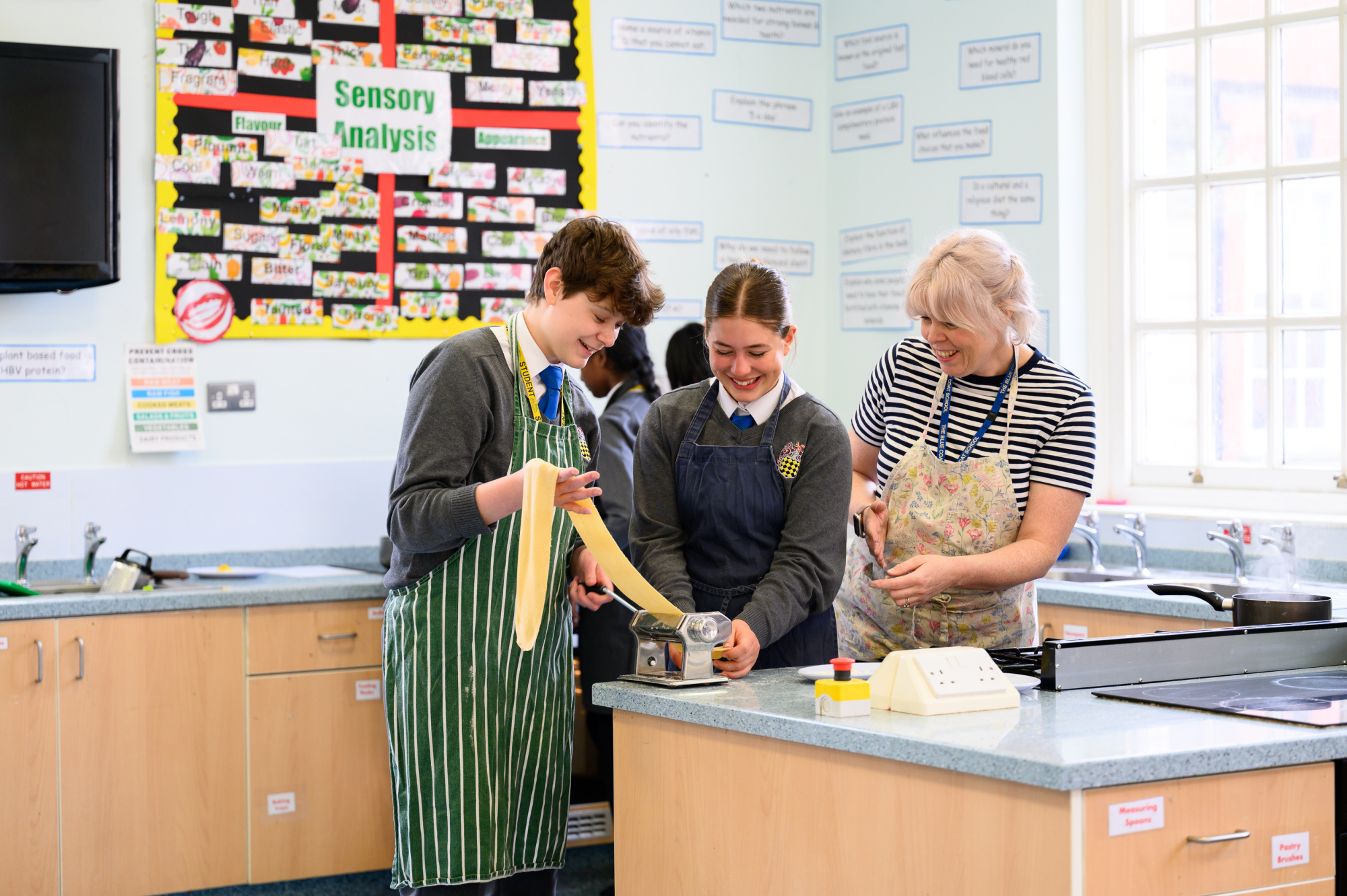
Belong, Flourish, Thrive - Inspired by Our Future
Be kind. Work hard. Dream big.
Together we flourish - safe, valued, and proud to shape a better world.
A distinguished heritage that has shaped generations of learners.
Our Rich History
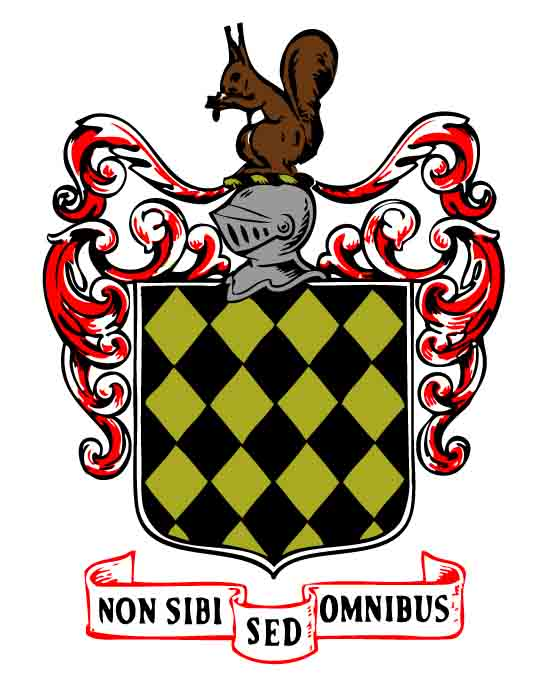
The Liverpool Blue Coat School is Liverpool’s oldest school. Founded over three centuries ago, it has provided support and opportunities for countless generations of Liverpool’s children. It has undergone many changes over the years but retains a vision of developing fully rounded individuals – aiming for academic excellence and living up to the school motto non sibi sed omnibus – not for oneself but for all.
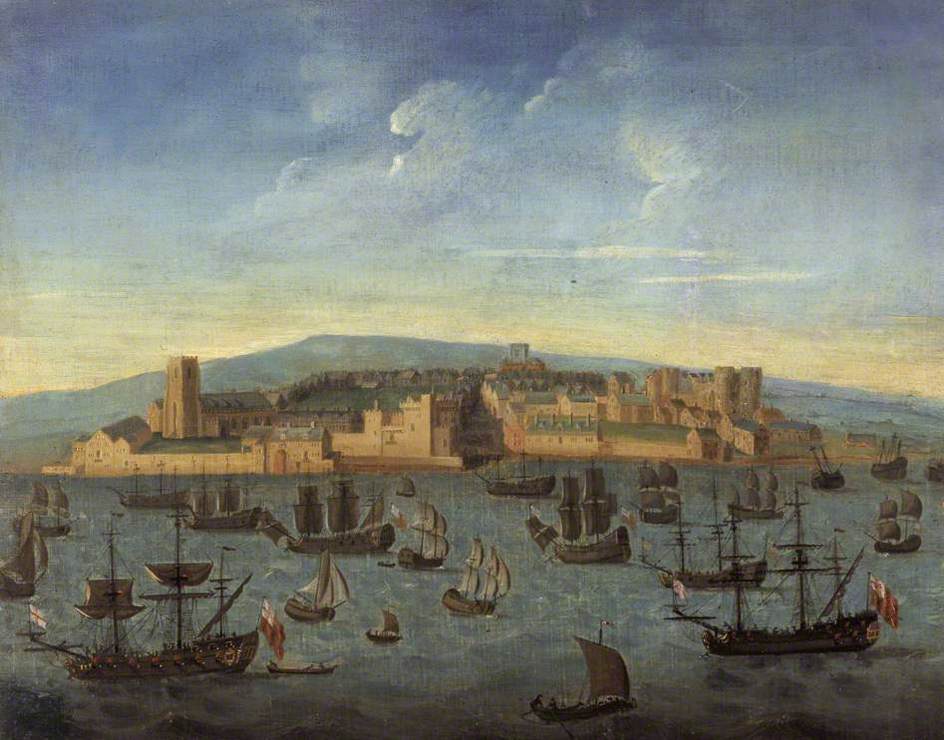
The small town of Liverpool was beginning to grow as trade with the new American colonies added to existing trade with Ireland. Local merchants grew rich, and many poorer people moved to the town seeking work. In 1699 the growing town was granted the right to open its own parish church, which was called St Peter’s. This church would lead to the creation of the Liverpool Blue Coat School.
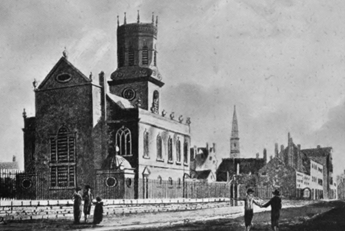
Tracing back to 1708
Robert Styth, the minister of Liverpool’s new parish church, St Peter’s, asked the town council for money to create a charity school for the poor children of the parish.
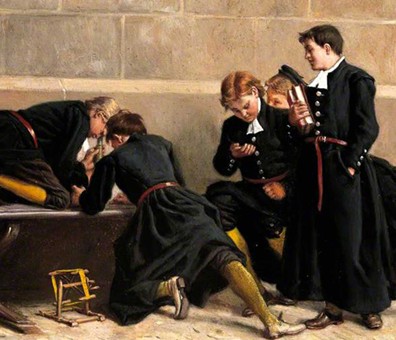
Tracing back to 1709
The first Blue Coat School building was opened. It was a small building in the south-eastern corner of the grounds of St Peter’s on Church Street. No-one has found any records of what that first building looked like. To begin with the school had one teacher, with forty boys and ten girls as his students. These were amongst the poorest children in the town and they were not only given an education for free but also clothing,in the colour blue – the colour of charity. They were taught a simple curriculum - literacy, numeracy and the Christian teachings of the Bible. Everything was paid for by charitable donations given by people going to St Peter’s Church.
The most generous donor was Bryan Blundell, a leading sailor who for several years had been giving money to help the poor of the parish. It was Blundell who paid the entire £35 that it cost to construct the first little school building. Reverend Robert Styth served as the first Treasurer of the school, making sure there was enough money to pay the teacher and for school equipment.

Tracing back to 1713
Reverend Robert Styth of St Peter’s Church died. At first, no-one else seemed able to take responsibility for the school. However, at this point Bryan Blundell, the sailor who had paid for the first school building, decided to retire from his work at sea, and to dedicate himself to the role of Treasurer of the Blue Coat Hospital, as the charity school was then known.
It was not long before Blundell felt that his efforts to improve the lives of the students were being undermined by the poverty of their parents and their lives outside school. He saw his students begging in the street, and became determined to increase the impact the school could have by bringing the children of the poor into the school as boarders, giving them food and accommodation as well as education. Blundell undertook a campaign to get the well-to-do of the town to donate money to the charity school to pay for a new building, large enough for the students to live in it and with enough funding to provide clothes and food for the students so that no-one needed to go begging.
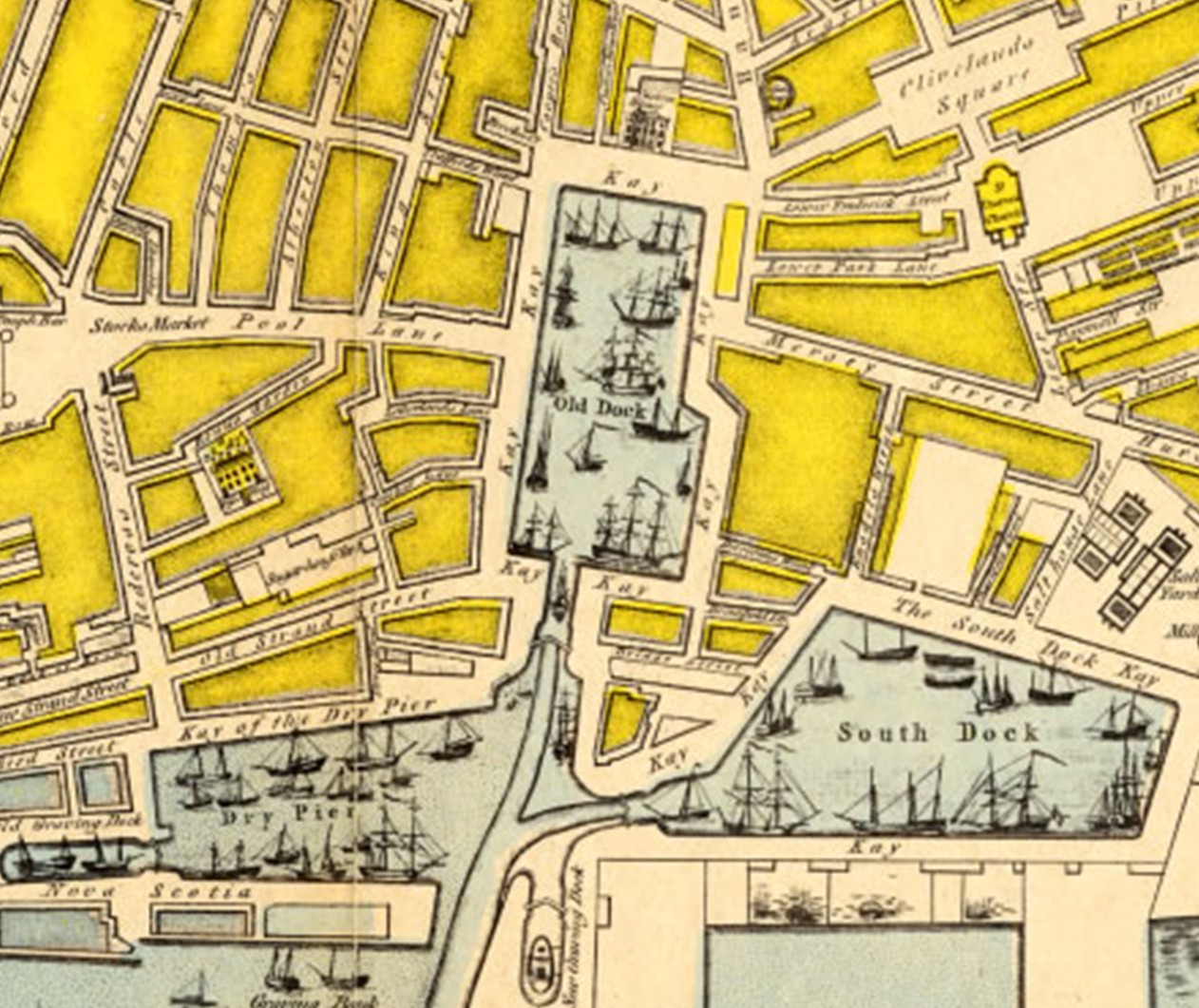
Tracing back to 1715
The opening of the dock in Liverpool. This was the first commercially successful wet dock in the world. This meant that ships could be loaded and unloaded at any time of day, regardless of the tide, and it ensured that Liverpool soon became the country’s premier port. Liverpool’s merchant class were becoming increasingly prosperous, and donating to a worthy cause such as the Blue Coat Hospital School was a good way to demonstrate their Christian charity and to develop one’s social standing through philanthropy.
However, a major source of income for many of these merchants, was the transatlantic trade with the American colonies. In particular, many Liverpool merchants, including Blundell and several donors to the school, were involved directly or indirectly with the trade in enslaved Africans. John Clieveland, Richard Norris, John Parr, Richard Gildart, Foster Cunliffe and William Clayton were just some of the regular donors to the school who are known to have invested in voyages transporting people from Africa to be enslaved in the Americas.
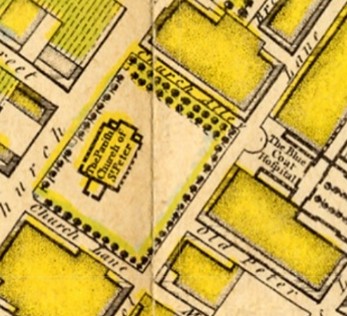
Tracing back to 1716
The foundation stone of a new school building in what is now know as School Lane was laid. A brick kiln was set up on site, and work began on what would become one of today’s finest examples of Queen Anne architecture in the country.
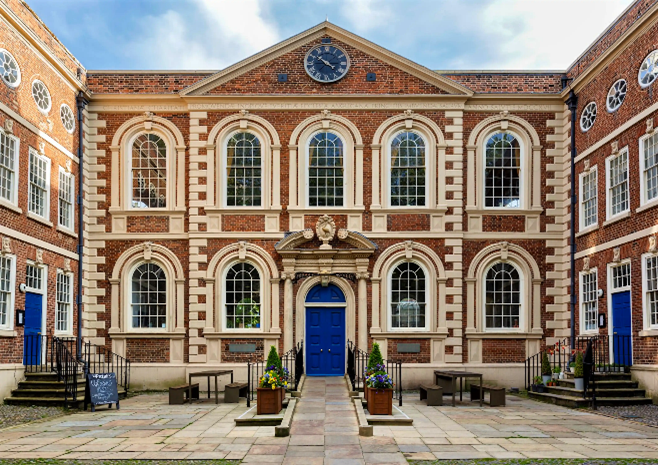
Tracing Back to 1718
The school moved into their new home, with a new headmaster called William Trenton, overseeing the first 50 children to be boarders living at the school, even though the building work was not complete.
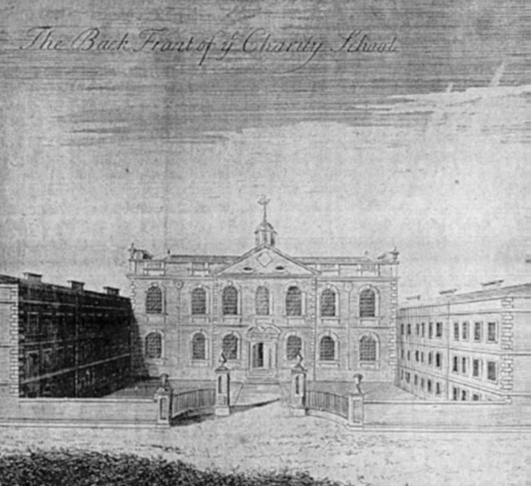
Tracing Back To 1725
The building work on the school site was completed, with a set of 36 almshouses being opened in the rear courtyard of the school buildings so that it could also provide homes for the adults in need within the town.

Tracing back to 1756
Bryan Blundell – the man who had overseen the survival and subsequent development of the Blue Coat School – died. Before his death he had ensured that his sons would continue to dedicate themselves to the school. They also continued to develop the family’s involvement in the transatlantic slave trade.
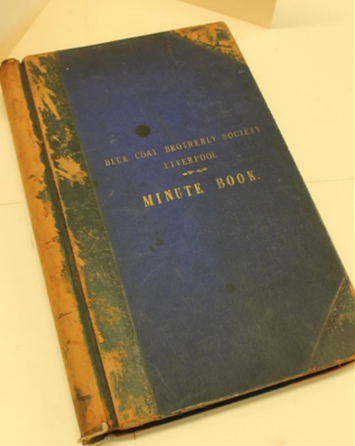
Tracing back to 1838
On 12th February 1838 the Blue Coat Brotherly Society was formed by a group of "Old Blues" who were now successfully established in their careers and wanted to "give something back" to young boys who were leaving the school. The Society had three goals: to promote friendship and brotherly feeling amongst those who had been educated in the school; to be able to grant assistance to students in need, and to increase the funds of the school by encouraging donations and subscriptions from other Old Blues grateful for the opportunities the school had given them.
Tracing back to 1899
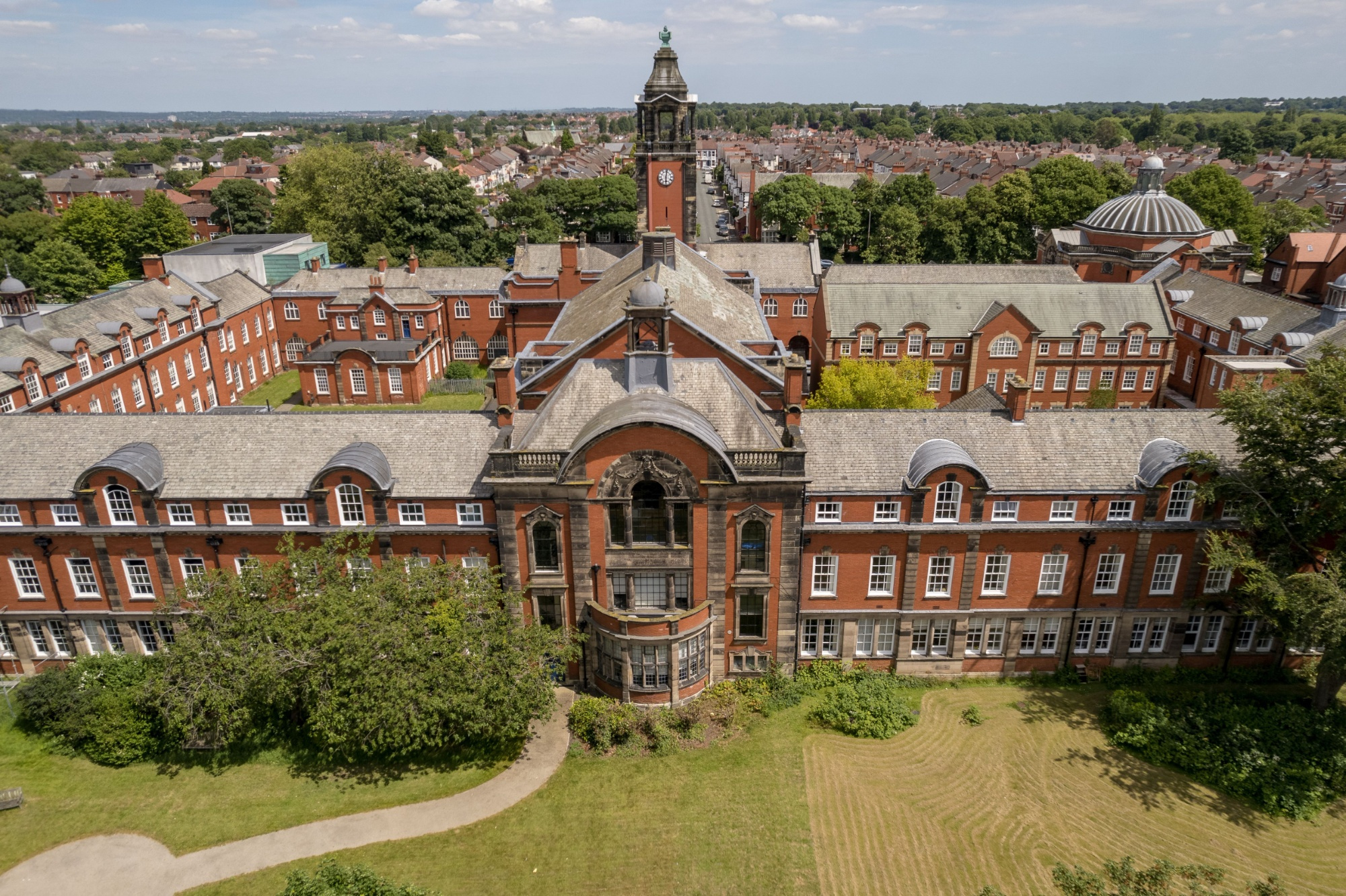
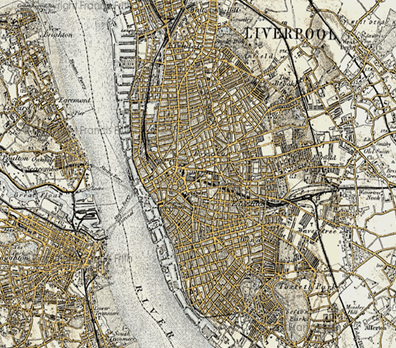
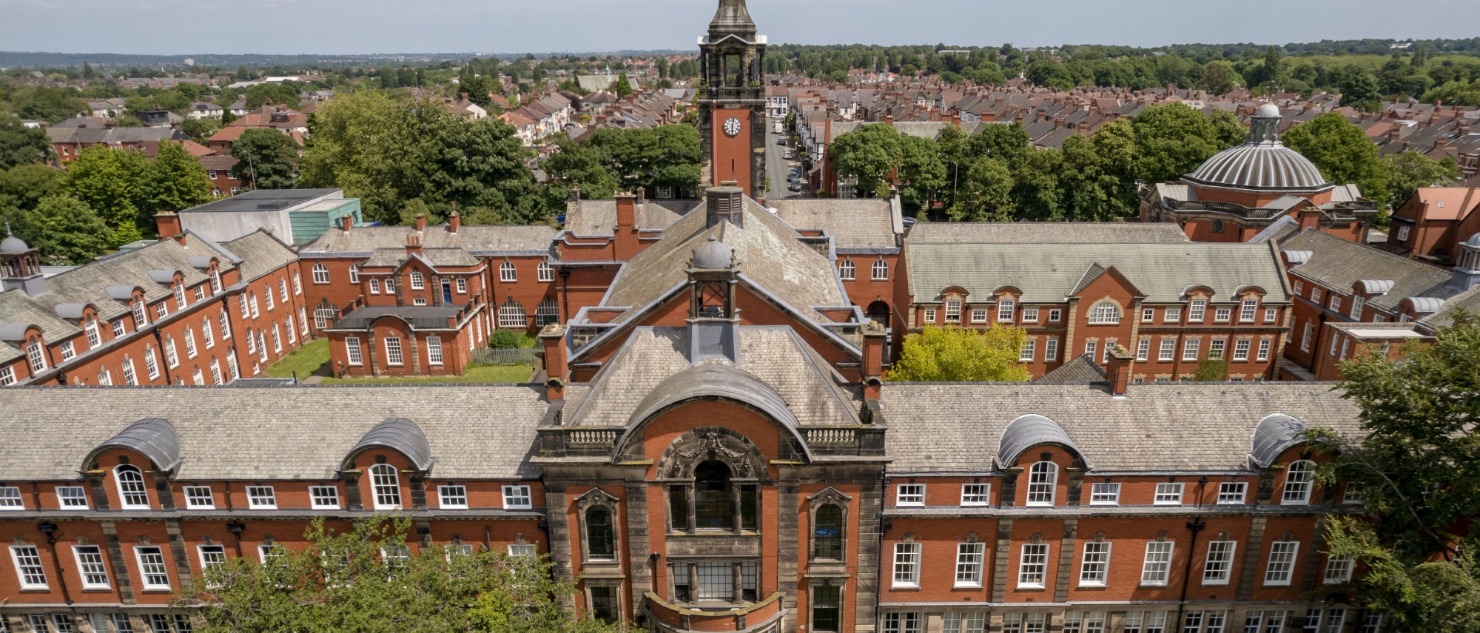
After nearly 200 years in the city centre, the school decided to move . When the school had first opened on School Lane, Liverpool was a small town, and the school had been on the outskirts, in an area surrounded by fields. By the end of the 19th century, a booming industrial metropolis had grown around the old school buildings, and the students found themselves in the polluted heart of the city centre. Two trustees and their friends offered the school a site of eight acres in Wavertree. The architectural team of Messrs Briggs, Wolstenholme Hobbes and Thornley (designers of the Port Of Liverpool building, one of the “Three Graces” at the Pier Head) were commissioned to design a new grand building in the late renaissance style.
Tracing back to 1903
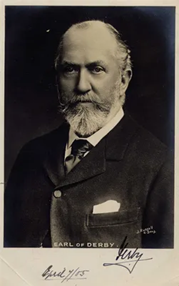
The foundation stone for the new school building on Church Road in Wavertree was laid by the Earl of Derby.
Tracing back to 1906
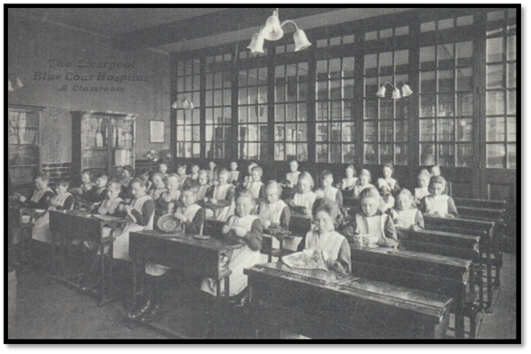
Pupils moved into the new school building in Wavertree.
Tracing back to 1907
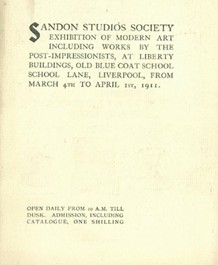
A group of artists – the Sandon Society – moved into the empty school building on School Lane in the town centre. The building would go onto become what it is today – the Bluecoat Arts Centre.
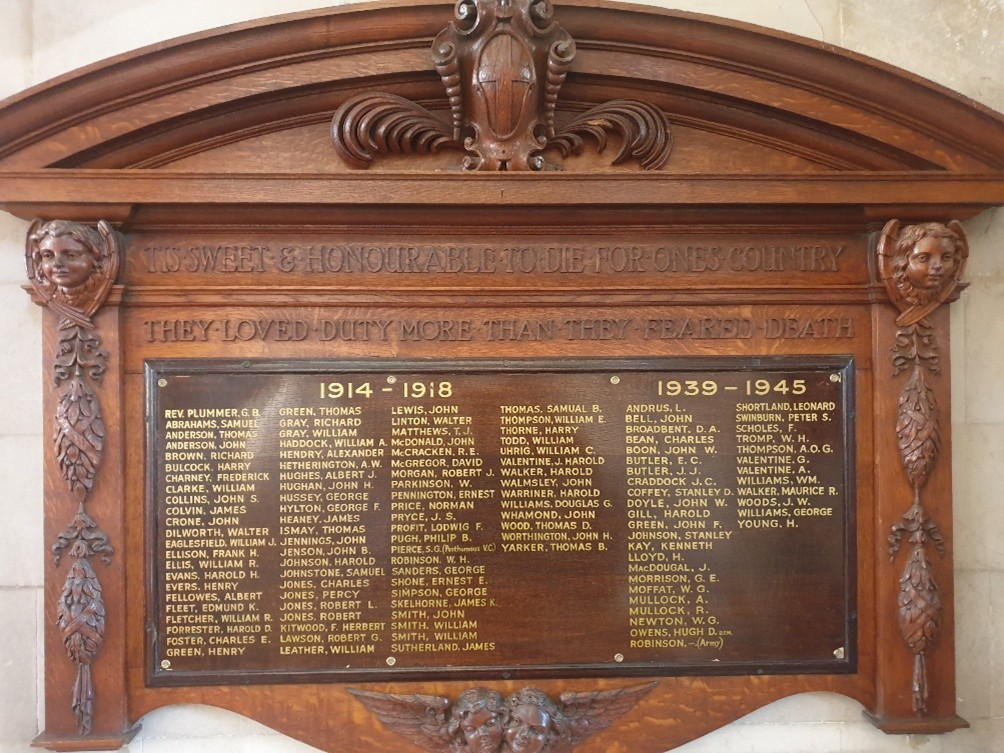
Tracing back to 1914
World War One broke out. Over the next four years over 500 former students and staff served in the armed forces. 83 Old Blues who gave their lives are memorialised on the plaque in the school chapel.
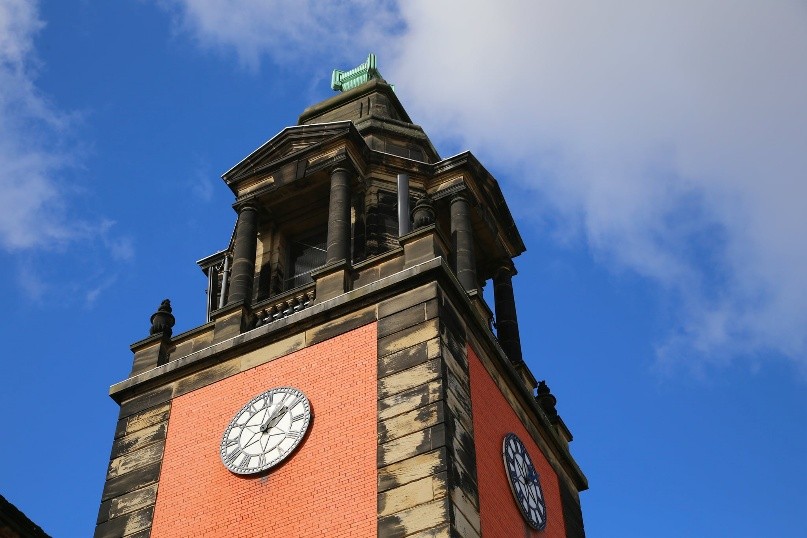
Tracing back to 1915
The new school was enhanced by the building of the magnificent clock tower paid for by Sir Charles Nall-Cain of the Liverpool brewing firm Cains.
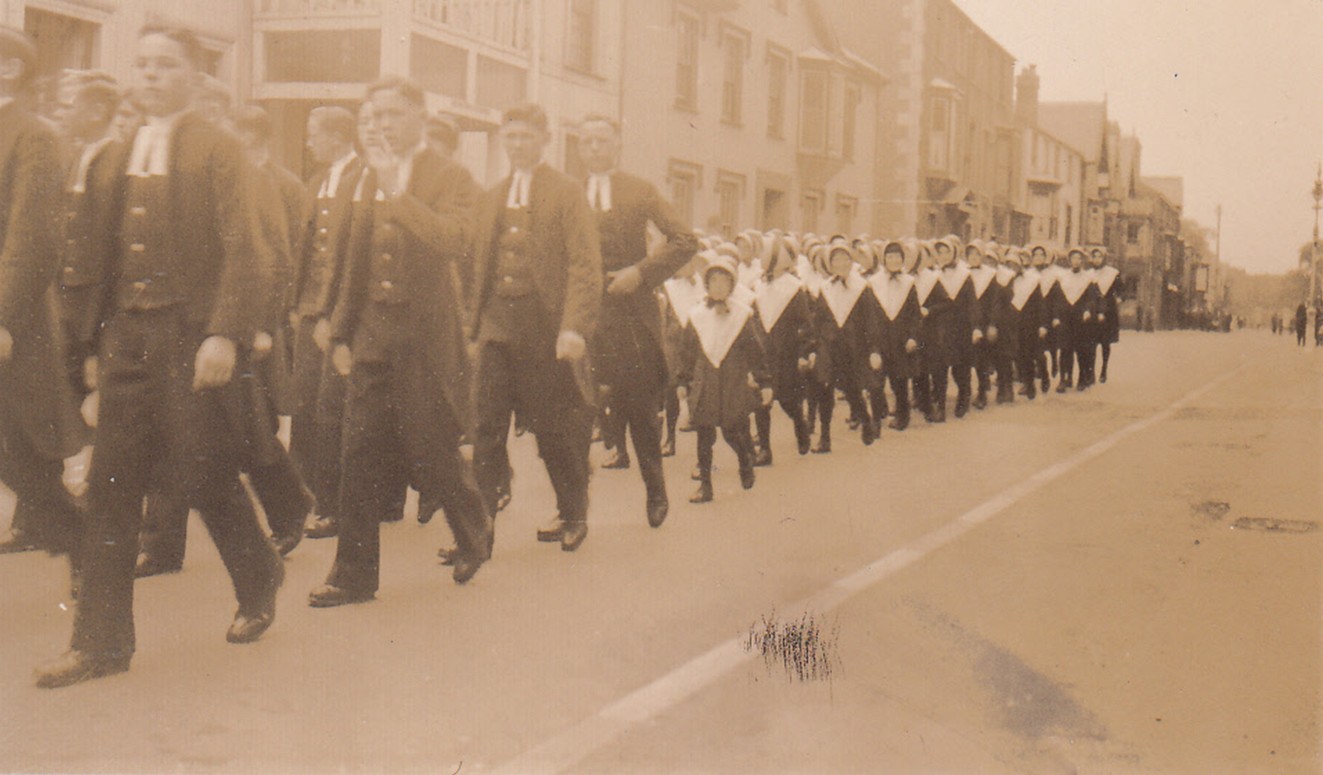
Tracing back to 1939
World War II began. On Monday the 4th of September, the whole school departed from Lime Street station at 11:20 bound for Beaumaris in Anglesey in order to escape the bombing that was expected to fall upon the port city of Liverpool. The small Welsh community of Beaumaris demonstrated great kindness and care, with space for 270 children and 30 adults somehow found in private houses. Eventually some larger buildings (Red Hill House, Garth and Bryn) were made available to house the school as the Blue Coat entered a uniquely Welsh phase in its history.
Tracing back to 1945
The new Labour government of 1945 offered to increase educational provision for all children, and so the Blue Coat School was able to access new sources of funding by becoming a Voluntary Aided school and receiving financial support from both the Blue Coat Foundation and Liverpool Council. Despite its magnificent buildings, the school had often struggled financially before the war, as the cost of boarding around 300 boys and girls was hard to maintain and charitable donations were not always a steady source of income.
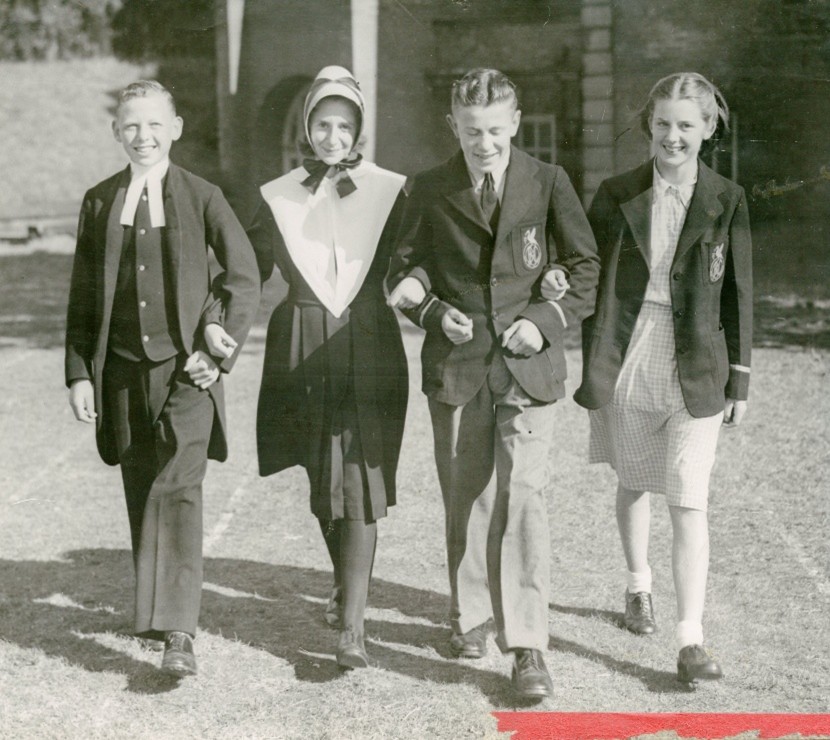
Tracing back to 1946
In May the school returned to Wavertree after the end of the war. As part of the new arrangement, the school became a grammar school, selecting students on ability rather than social disadvantage, and became a single sex school for boys only. The school uniform was updated to a more modern look and most students began to attend as day students, although boarders continued, often from military families.

Tracing back to 1984
When Liverpool Council planned to reform the school, the school community launched a campaign to maintain its status as a selective grammar school, gaining 44,000 signatures in a successful appeal to the Education Secretary.
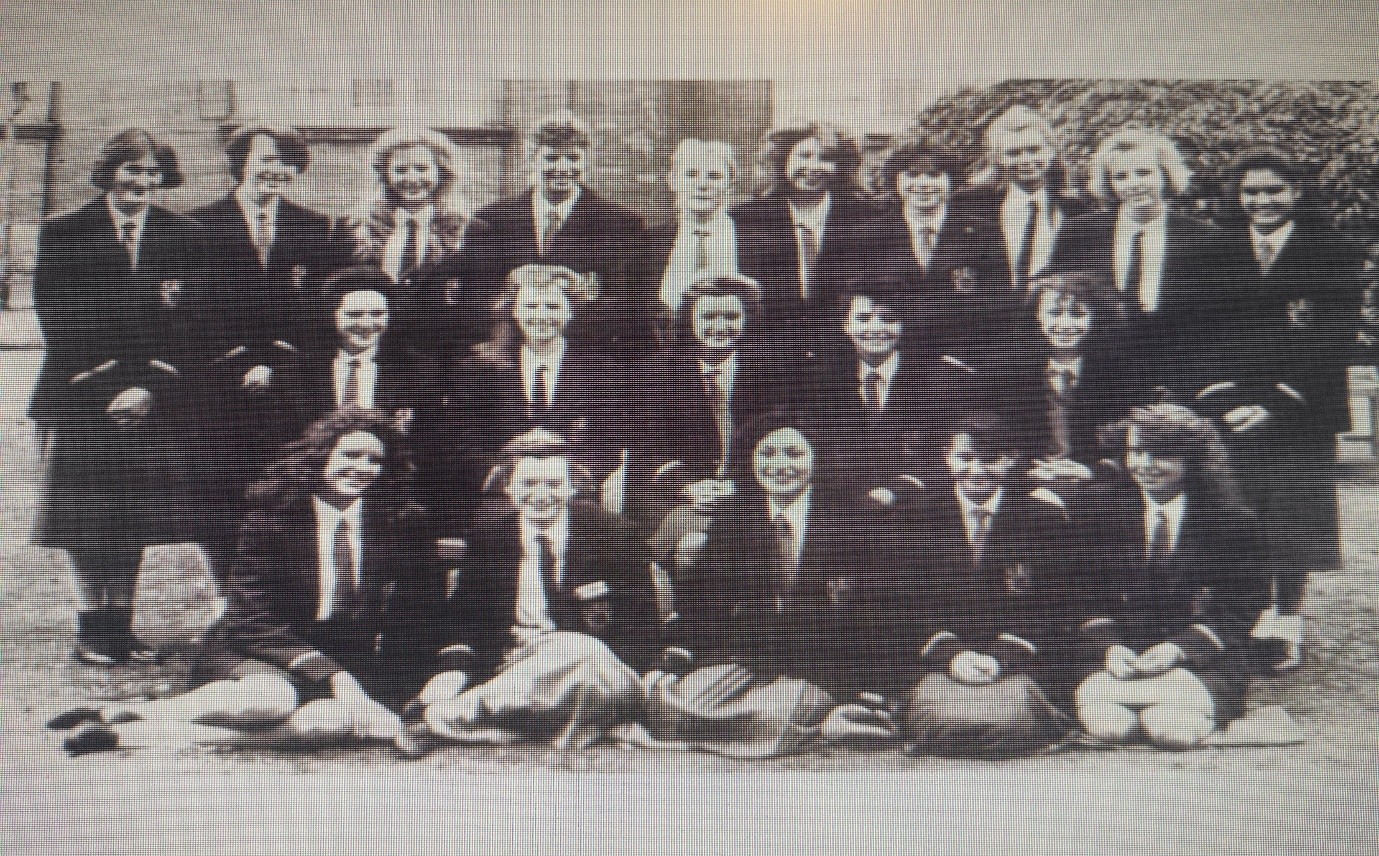
Tracing back to 1989
Girls were returned to the School in 6th form.
Tracing back to 2002
Girls returned to year 7 as well.
Stories that show what life at our school is really like.
Testimonials
"Starting Year 7 at Blue Coat has given me so many opportunities to explore, meet new people and make friends through clubs, Open Day, Summer School and everyday school life. What I love most about Blue Coat is how many different opportunities there are to connect with others, and how supportive everyone in the school community is."
“Staying at Blue Coat for Sixth Form was the best decision for me. The step up from GCSE is definitely real, but the teachers have been incredibly supportive in helping me bridge that gap. I really value being treated with greater maturity – it feels much more like a partnership in learning rather than simply being told what to do. The independence we’re given, especially during study periods, has helped me stay on top of the workload and explore my subjects in much greater depth."
As a student, our school’s facilities really enhance our experience. The sports hall and gym are well-equipped, making PE lessons and clubs enjoyable and inclusive for everyone. The LRC is a calm, organised space that’s ideal for revising or completing work, with great access to resources and computers. Overall, these facilities make a big difference to both our learning and wellbeing.
The people in school are really kind and supportive, which makes a big difference day to day. Teachers genuinely care and always take the time to help if you’re struggling, and students are respectful and friendly. It creates a really positive environment where you feel comfortable and supported.
Celebrating the spirit and achievements of every house.
House Points

Curie
0

Franklin
0
Roscoe
0

Seacole
0

Tod
0

Turing
0
Latest News & Events
Events
Podcast
Welcome to the Blue Coat Podcast
A new audio series exploring student life, achievement and the stories that shape our community.
Podcast 2
A new audio series exploring student life, achievement and the stories that shape our community.
Podcast 3
A new audio series exploring student life, achievement and the stories that shape our community.
Podcast 4
A new audio series exploring student life, achievement and the stories that shape our community.
''Leaders have a strong vision for providing a high-quality education for all pupils and students, including those
who are disadvantaged.''
Ofsted 2022
Explore The Blue Coat
Take an interactive 360 tour of our campus and see the spaces that inspire exceptional achievement every day.
Get In Touch
The Liverpool Blue Coat School,
Church Road, Wavertree,
Liverpool, L15 9EE
Blue Coat Students Win Royal Society of Chemistry Schools’ Analyst Competition
Blue Coat Year 7 Cricket Team Crowned Lancashire Cup Champions
Year 10 Food Technology Students Explore Manchester’s Northern Quarter
Year 9 Students Receive Their Bronze Duke of Edinburgh Award Certificates
Cricket Teams Enjoy Outstanding Cup Success
U15 Rounders Team Crowned LSSP Champions
Summer Concert Showcases Outstanding Musical Talent
A Special Afternoon at the Everyman: Spoken Word Project Celebrates Student Voices
Sixth Form Students Inspire the Next Generation at Mosspits Primary School
Blue Coat Golf Day Raises Funds for School Enrichment
Blue Coat Students Reach the National Careers Challenge Grand Final
House Activity Days Build Teamwork, Leadership and House Pride
World Cup Fever Takes Over Blue Coat!
Aarav Shines at European Championships
House Maths Relay Competition Brings Out the Best in Blue Coat